
WHAT’S IT LIKE TO WRITE YOUR FIRST NOVEL (PART 2)
In Part 1 of this series on writing your first novel, we looked at Finding Your Story.
Develop Your Craft
Grab the reader’s interest from the start.
I’m still new at this so am far from an expert, but here are a few things I’ve learned along the way about developing your craft:
- Avoid clichés. “It was a dark and stormy night” is cliché.
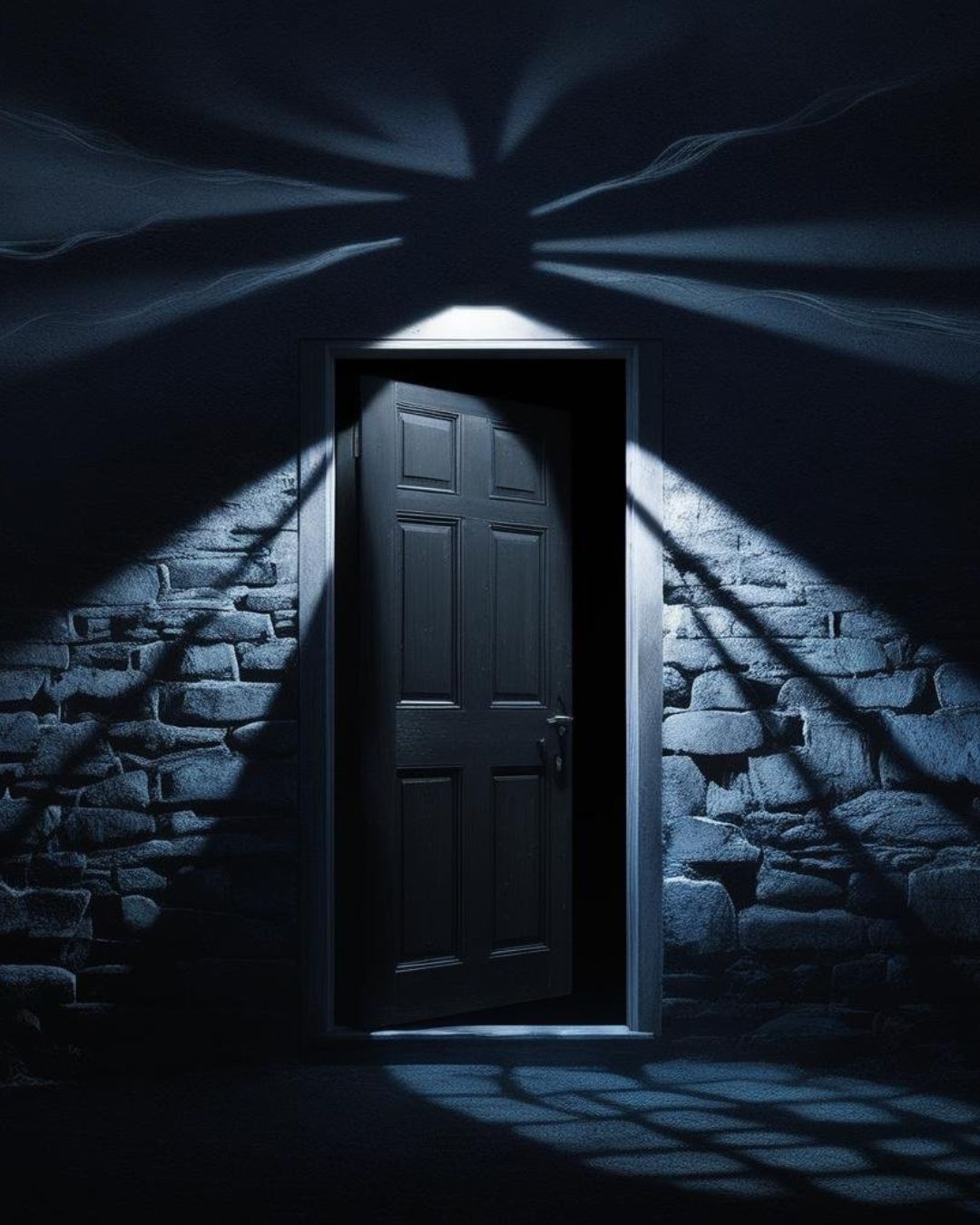
Would this get your attention?
“Susie heard the back door bang. She knew she’d locked it before coming to bed. And Hank wasn’t home yet. Should she get up, or huddle in her bed, senses at full alert, fear gripping her?”
- Conflict keeps interest high. Hold that interest throughout by alternating conflict and resolution.
- Use dialogue as an effective means of communicating movement.
- “Show, don’t tell.” We’ve heard it over and over, but it’s crucial.
For example:
“The Aurania sailed into the harbor, cresting the waves and coming to a rocky stop at the dock.” I’m telling you what happened.
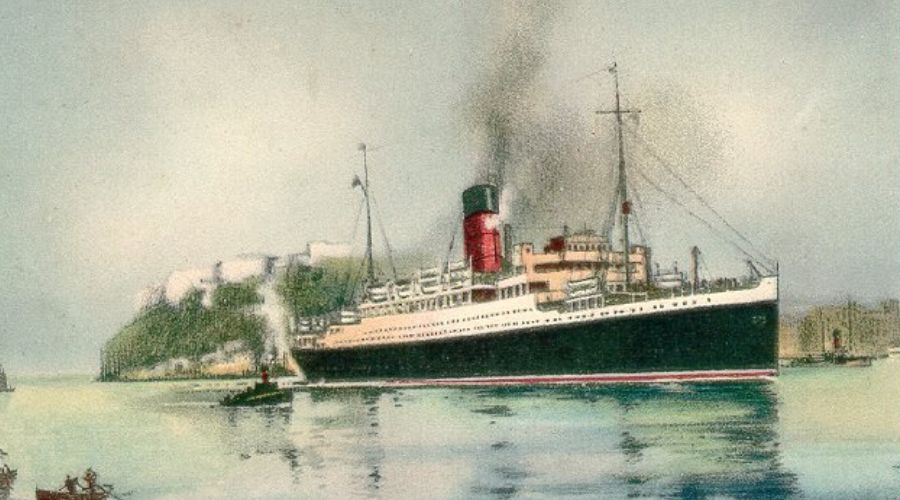
“Standing on the deck of the Aurania, Lydia saw the whitecaps the ship crested. Each time she grabbed the rail a little more tightly to avoid being bowled over by the wind and sea. When they finally docked, she fanned her face with the hat she’d held onto, trying to ease the tension she felt …” Here I’m showing you how Lydia FEELS about the action that’s happening.

Photo credit: Moritz Kindler on Unsplash
Stay in one point of view (POV). If I’m writing Lydia’s POV, she can’t know what another person is thinking. However, she can see the frown crease their forehead, the giggle bursting from a friend’s lips. The point of view from which you’re writing is like a camera lens. It sees what it sees but can’t interpret it unless through dialogue between characters.

Photo credit: Paul Skorupskas on Unsplash
Ways to Develop the Craft
- Attend conferences, webinars, take courses, and read books on writing.
- Writers’ conferences provide opportunities to learn, interact with other writers, and meet agents and editors. This has been harder since COVID, but several groups have hosted excellent online conferences—although being face-to-face is always better!
- Join a writers’ critique group. This is very helpful as members critique each other’s submissions. Perhaps your writing is too formal; maybe too laid-back for the topic you’re addressing. Your sentence structure may be unclear. I’m sure my writers’ critique group could add much more to this section!
- Read your writing aloud. It’s amazing how many typos are missed because you know what you meant to type. Reading the work aloud helps point out errors or discrepancies.
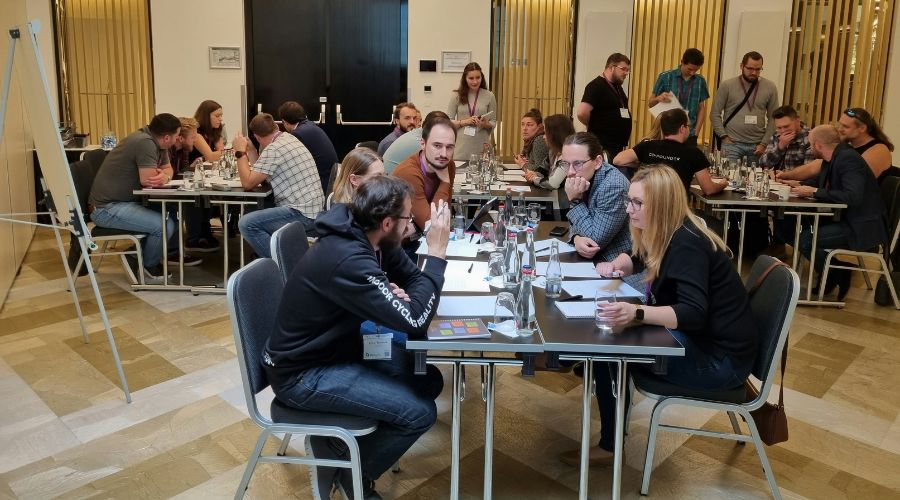
Photo credit: Marian Kamenistak on Unsplash
Theme
Determine the theme of your story.
- Is it to entertain?
- To encourage readers with God’s faithfulness in difficult times?
- To make people laugh?
- Is this a family heirloom?
- A fun read?
- Your personal story, or memoir?
Each of these has its place. At times I want a light read that will make me laugh. At other times, I want to learn something about an aspect of history.
My purpose in writing this novel is to share how God led our family through some deep waters, with hope and trust in his faithfulness.
Next time I’ll discuss audience, research, and a few other aspects of writing. I’m enjoying sharing the process with you, and hope it gives you some insight into the hard work of authors you enjoy.
When I was a child, we had a wooden plaque hanging in the kitchen. Although ours was In the King James version, I’ve used a more modern translation here.
“So, my dear brothers and sisters, be strong and immovable. Always work enthusiastically for the Lord, for you know that nothing you do for the Lord is ever useless.”
—I Corinthians 15:58, NLT
Question of the Week:
Have you ever thought of writing a novel? What would be your theme? Your era? Please share in the comments. Your writing dreams encourage me!
What a good idea for this helpful view of what you’re learning ! Writers and readers will appreciate the craft even more!!!
Thanks for that affirmation, Susan! I do hope readers will grasp a bit more of the challenges of writing a book, or anything really. I’m glad you found it helpful. Miss you!
I have often thought about writing a novel eg. Herman’s story about his great great grandpa. But I chickened out when I realized all the work.
So I stayed with short stories.
When cousin Irv asked, after reading my story about Yellowknife, “Did we have a ship’s captain in our ancestry?” I figured I managed to make it real, I think it is harder to write historical fiction.
What a kind comment, Shirley. Thank you. Yes, if Irv asked about a ship’s captain in our ancestry you must have made the story come alive. Thanks for all the research you have done into our geneology. God bless your day today!
I want to be on your list-I’m interested!!
Thanks, Susan. I’ll definitely let you know when the book comes out! Blessings.