
WHAT IT’S LIKE TO WRITE YOUR FIRST NOVEL (PART 3)
In part 1 of this series on writing your first novel, we talked about finding your story. I shared a bit about my family history that inspired the writing of my first novel.
In part 2, I discussed developing your craft and identifying your theme. What is the larger message of your story?
“Good fiction must be entertaining, but what makes fiction special – and True – is that the realness of a novel allows it to carry a larger message.”
— Jerry B. Jenkins
For example, To Kill a Mockingbird carries the four prominent themes of prejudice, justice, courage, and the loss of innocence.
This week I’ll talk about identifying your audience and putting “butts in seats.”
Identify Your Audience
To or for whom are you writing?
- Is this a family memoir you want your descendants to have as a record of your life or your ancestors’?
- Is it a self-help book on discipleship, for which your audience is likely serious students of the Bible?
- Is it a novel that makes readers laugh, or one that builds tension from a historical context while helping readers care about the characters?
Your audience may change, depending on what you’re writing. In an article published in Today’s Christian Woman in 2012 (under a pseudonym), my audience was people in second marriages who faced conflicts with their new spouse’s children.
I have a photo taken from a computer image of my target reader. When I think of my reader, I picture her and write to her.

I’ve identified my audience as women of any ethnicity, 35-70, who want to learn more about history while following the amazing journeys of two star-crossed lovers over three years. Will they meet again?
My target also includes people of Mennonite origin, since this story represents many others who emigrated from Ukraine; men interested in history; and persons who have been persecuted for their faith.
“Butts in Seats”
I know, not a very elegant phrase, but unless you sit at your computer, or at your desk with a yellow pad in front of you, you won’t get very far. This term comes up at writers’ conferences. I used to provide my critique group with data, research, etc., and one member kept saying, “Just write the book, Carol.”

Research
- What era are you writing about?
- Does the language your characters use represent that era? Are you, for example, writing historical fiction about the potato famine in Ireland but using American slang, like “I get it”?
- If you have songs listed, were those written before that time?
- What were the fashions in the era, locale, and economic status of your main characters?
Check your sources.
I’ve done hours of computer searches about aspects of life in Ukraine in 1929-30 and have read multiple books about this time period, which helped inform me about the kinds of difficulties the Mennonites faced. I also have my father’s, uncle’s, and grandfather’s autobiographies, which are most helpful in understanding their lives, challenges, and faith in God.
Read in Your Genre
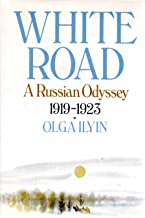 Find good books in your genre. While I’m writing fiction inspired by true events, my writing is also informed by White Road, a memoir by Olga Ilyin. Ilyin was a young bride when the Russian Revolution broke out, her husband an officer in the White Army. The Whites had to flee for their lives, and Ilyin’s story tells some of the horrific experiences, as well as the few joys, as she made a zigzag journey across Siberia, much of it on foot.
I’ve also read quite a few books by others of Mennonite descent who fled Ukraine, and I love reading historical fiction. As you read, pay attention to what makes your favorite books “sing.”
Next Post
In my next post, I plan to discuss critique groups, beta readers, editing, and some pros and cons of traditional versus independent publishing. Until then, my friends, be well and “be strong in the Lord and in his mighty power.” (Ephesians 6:10)
“I think the job of writing and literature is to encourage each one of us to believe that we’re living in a story.”
― Naomi Shihab Nye
In whose story are you living?
Is there a novel that impacted your life, and what about the story stayed with you? Let me know in the comments.
Hi Carol,
One of my favorite books over the years has been Little Women by Louisa May Alcott. Having four daughters myself, “Marmee” was a role model for me in the way she was thoughtful and caring of others, and loved her daughters well, encouraging them to be close to one another.
Mine too, JoAnn. I can see where Marmee was a good role model for you, as the mother of four girls. We once visited the house where Louisa May Alcott lived. There was writing all over the walls, since they had no paper. It was fascinating.
Captivating! Fresh and easy to understand.
Thanks so much, Karen!